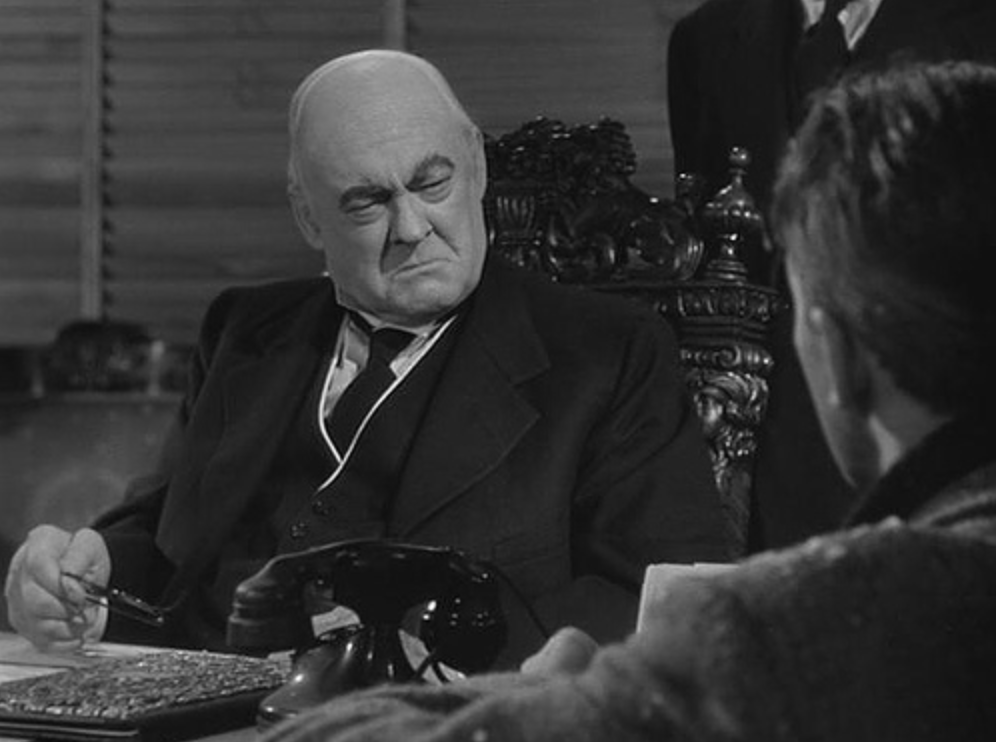
New York was the first to pass a state-level Community Reinvestment Act. What would have happened to fictional Bedford Falls (many believe modeled after Seneca Falls, NY) if CRA had been in place in the post World War II era?
You know the Community Reinvestment Act. Signed into law in 1977 by President Jimmy Carter after being championed by Senator William Proxmire (D-Wisconsin), it became one of the last civil rights-era laws passed before the Reagan revolution upended modern politics. It followed on the footsteps of the Equal Credit Opportunity Act (1974) and Fair Housing Act (1968) and other measures designed to end discrimination and rollback policies like redlining. The law states simply that federal regulators “…shall assess the institution’s record of meeting the credit needs of its entire community, including low- and moderate-income neighborhoods, consistent with the safe and sound operation of such institution.”
And most of us know the timeless movie It’s A Wonderful Life starring Jimmy Stewart as everyman George Bailey and Lionel Barrymore as the evil banker, Mr. Potter. George as the head of the Bailey Building & Loan who has provided substantial opportunity to the town’s “rabble” in the form of home loans and personal loans presumably not available at the more traditional banking institutions in town. Potter runs an apparently unnamed bank in Bedford Falls and has designs on complete control of the local economy and sees the Bailey Building & Loan as an obstacle.
Let’s speculate a bit and put the Community Reinvestment Act in play here. When George needs help from the other banker in town, he might have offered Mr. Potter a deal that would have earned Potter’s bank considerable Community Reinvestment Act credit. The Bailey Building & Loan was serving the area’s low- to moderate-income residents. George helped the Italian immigrant Giuseppe Martini and his wife buy a home in Bailey Park at a time when Italian-American discrimination was still widespread. He lent George Bishop $5,000 to buy his home so he could “work and pay and live and die in a couple of decent rooms and a bath.”
Who knows? If the movie had continued, would it have been shocking to see Annie, the film’s only Black character with a speaking role, finance a home with a loan from the Bailey’s?
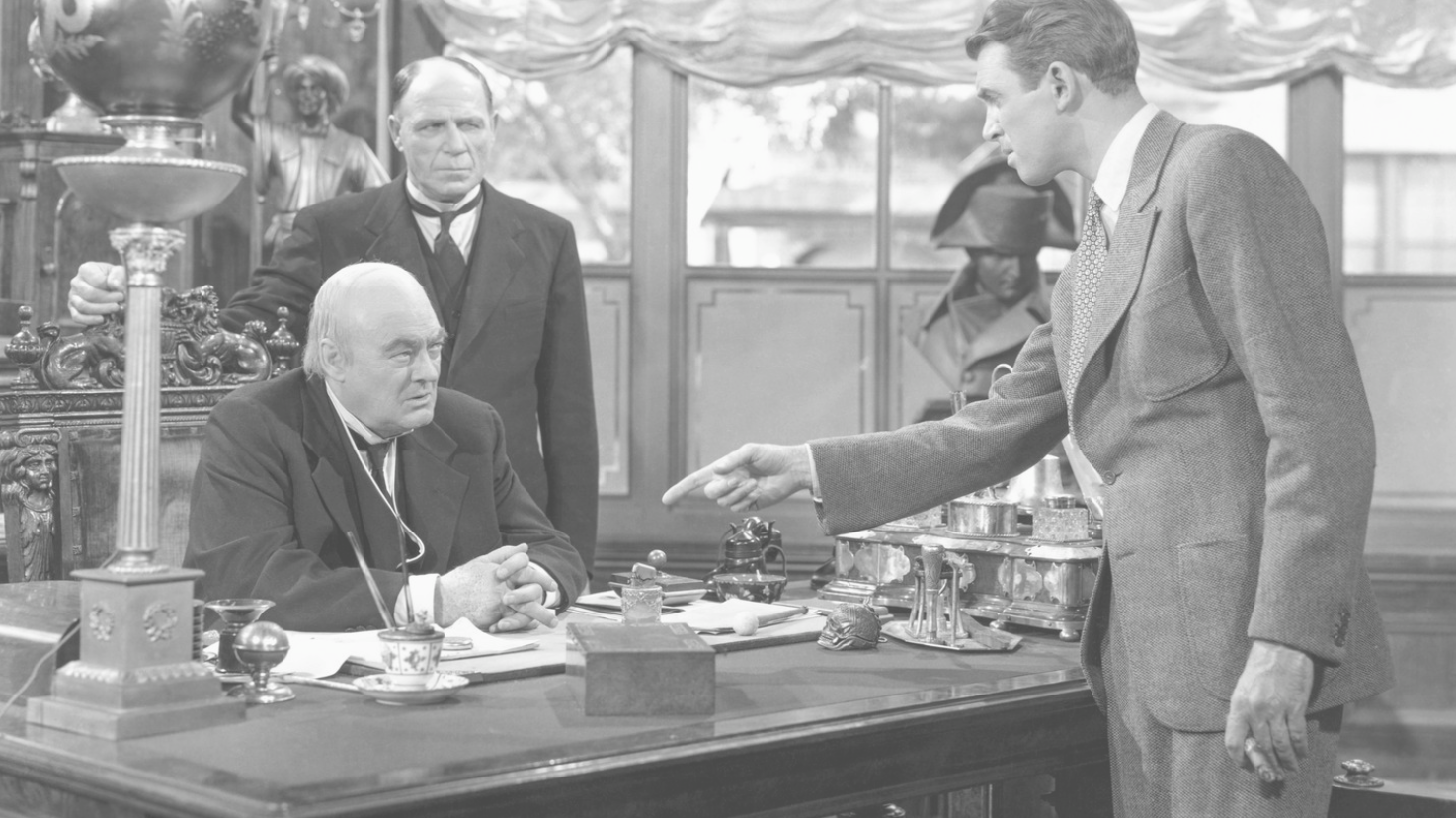
And those pesky bank examiners paying a visit to the Bailey Building & Loan on Christmas Eve? They would likely have been asking Mr. Potter what investments his bank had made in housing and financing the “lazy, discontented rabble” he liked to rail against.
George would have needed the capital that only Potter’s bank could have provided to build out Bailey Park and offer more homeownership opportunities to town residents. Bedford Falls might have welcomed a diverse group of WWII veterans returning home looking to join the growing ranks of the middle class and achieve the American Dream. A CRA in that era might have been just the ticket needed to redeem Mr. Potter and provide a model for those looking to create opportunities for the 1.2 million returning Black veterans that ended up being stymied by the racist implementation of the GI Bill.
Every movie needs a villain but our communities do not. It’s A Wonderful Life without the Potter-Bailey feud would likely make for a less memorable film. But set in the CRA-era, it would be truly wonderful to see what a partnership between George Bailey and Henry Potter could have meant for Bedford Falls. No angels needed.
 Impolite Company